
Featured in
- Published 20221101
- ISBN: 978-1-922212-74-0
- Extent: 264pp
- Paperback (234 x 153mm), eBook


Already a subscriber? Sign in here
If you are an educator or student wishing to access content for study purposes please contact us at griffithreview@griffith.edu.au
Share article
More from author
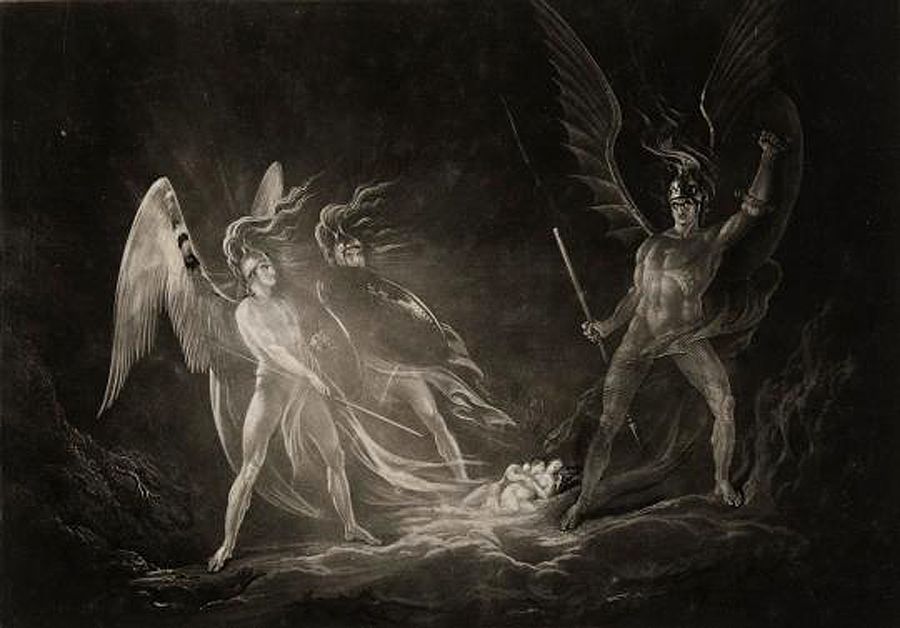
Dominion
My disquiet over the influence of the religious right in Australian politics is entirely a product of my upbringing. My parents, for reasons of circumstance and naivety mostly, found themselves enmeshed in a religio-political group called Logos Foundation in the 1980s. Logos has the dubious honour of trying, but failing, to bring Christian reconstructionism into mainstream politics. The Foundation was ‘the political arm’ of the Covenant Evangelical Church (CEC) – ‘the spiritual arm’ that subsumed the Pentecostal church my parents attended on Sydney’s upper north shore.
More from this edition

Tastemakers
IntroductionI’m still pleasantly mystified by our obsession with food – our need to talk about it, remember it, photograph it and analyse it, to eat our feelings and compare our lives to buffets and boxes of chocolates.

Witches’ brew
EssayAnthropologist Solomon Katz proposed in the 1980s the intriguing ‘beer before bread’ theory, which suggested that early agriculturalists were driven to farming not by their wholesome desire for crusty loaves but by their lust for that other staple grain product: beer.

Eat me in the city
MemoirThe idea of having my body lovingly prepared and cooked as a feast for friends seems like a particularly beautiful death to me, and one that needs careful planning and consideration.
