
Featured in

- Published 20230801
- ISBN: 978-1-922212-86-3
- Extent: 200pp
- Paperback (234 x 153mm), eBook

Already a subscriber? Sign in here
If you are an educator or student wishing to access content for study purposes please contact us at griffithreview@griffith.edu.au
Share article
About the author

Emilie Collyer
Emilie Collyer lives on unceded Wurundjeri Country. Her debut full-length poetry collection, Do you have anything less domestic? (Vagabond Press, 2022), won the inaugural...
More from this edition
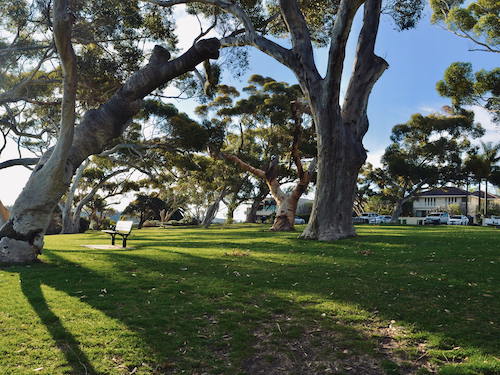
Sonnet for the weekend
Poetry Glory to God for long weekends,for lattes served by obsequious baristas,sunnied eggs and bacon with the crispy ends,for an empty park in front of...

In the fullness of time
Non-fictionOur devices and data are more than extensions of our physical bodies. The so-called ‘human-centric’ approach to designing wearable and carriable devices means that they disrupt traditional divisions between work and leisure, production and consumption. It’s difficult not to feel the incursion of work-logics into leisure times and spaces as normal. Stretched for time, couples, families and friendship groups are starting to organise themselves using tools like Slack, Jira, Trello and Asana – that is, in the same way as workplaces.

History in Sid Meier’s Civilization VI
Poetry Because they spawn near each otherdiscover one another’s dog-scoutsSparta and Gandhi are contemporariesthe Eurotas river and the Gangesmuddying into the Indian Ocean, barbariantriremes appearing...
