
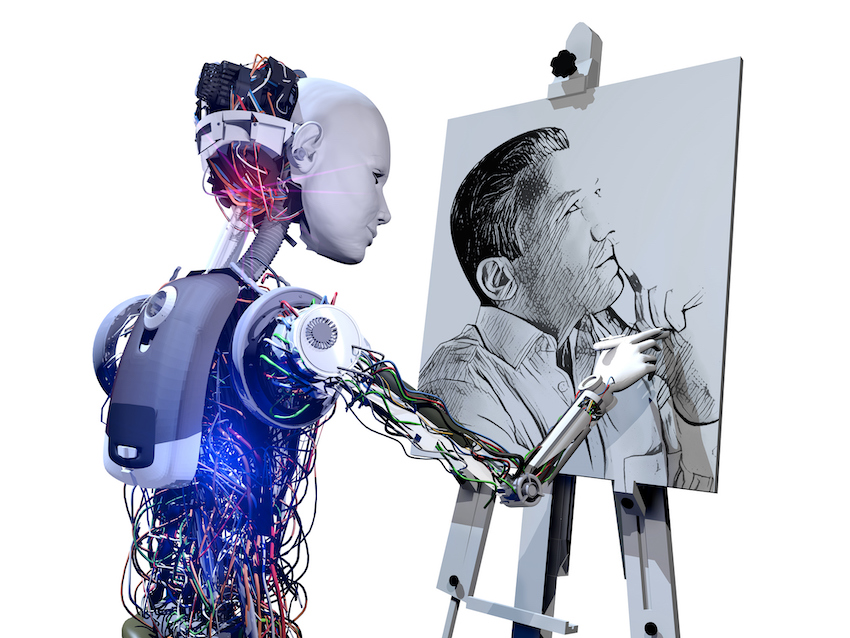
Art, AI and figuring the future
On the coming of computer-generated creativity
Featured in
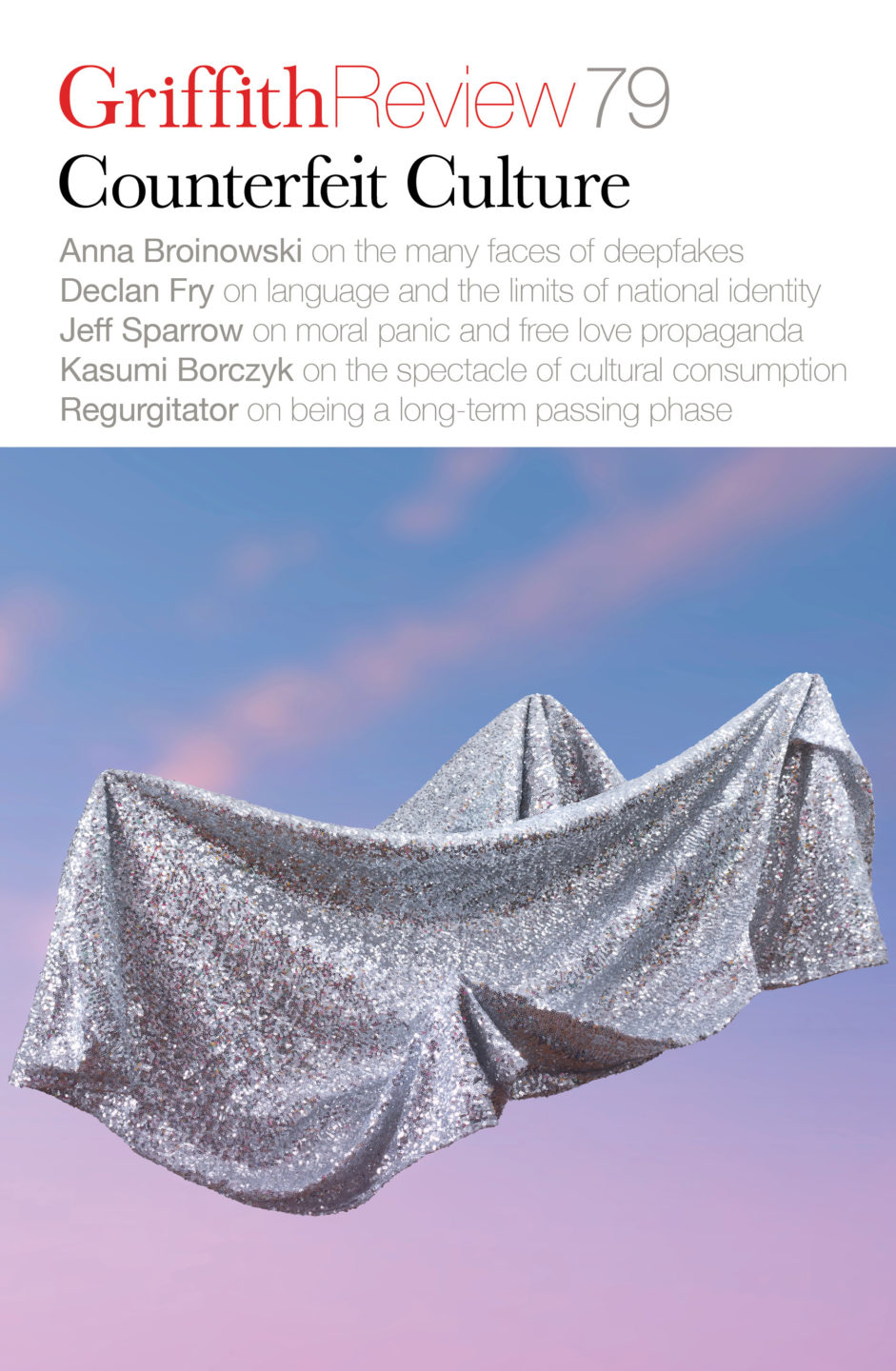
- Published 20230207
- ISBN: 978-1-922212-80-1
- Extent: 264pp
- Paperback (234 x 153mm), eBook
Already a subscriber? Sign in here
If you are an educator or student wishing to access content for study purposes please contact us at griffithreview@griffith.edu.au
Share article
About the author
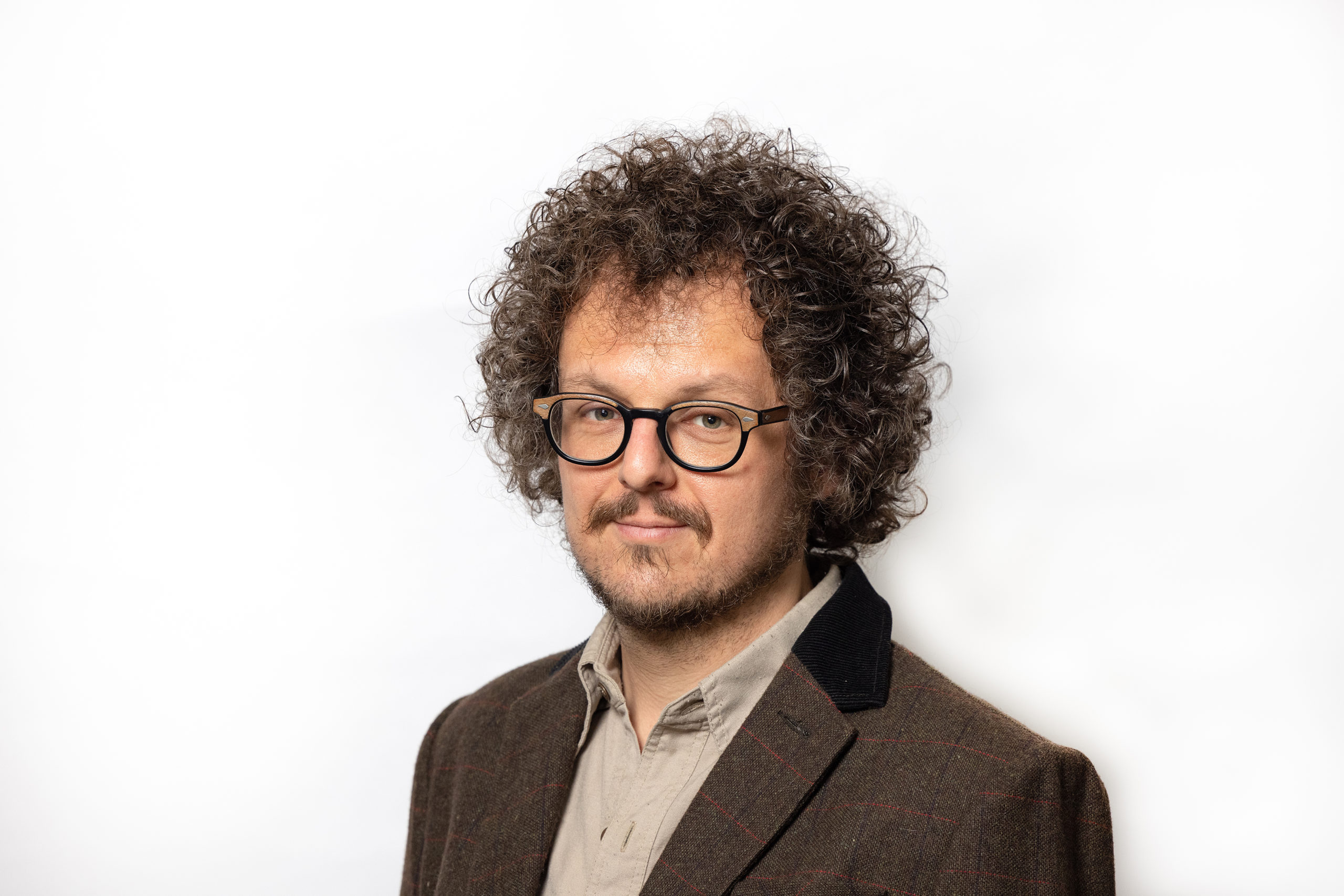
Luke Buckmaster
Luke Buckmaster is the film critic for The Guardian Australia and a contributor to publications including Flicks.com.au and NME. He is the author of...
More from this edition
The future is hackable
Non-fictionDeepfakes point to a future that is simultaneously euphoric and apocalyptic: philosophers have positioned them as ‘an epistemic threat to democracy’, journalists have called them ‘the place where truth goes to die’, futurists have portrayed them as the digital harbinger of a mass ‘reality apathy’ in which even video will be a lie.
Will we dance when it’s over?
Non-fictionThe stakes in our real world have reached a point so high, so close to apocalypse, that they’ve disappeared entirely. We are gripped by a nihilism and unnerving sense of unreality, and so we don’t receive the messages others are trying to send to us.

About face
Non-fictionOur image-centred world has elevated what writer Jia Tolentino calls ‘Instagram face’, a racially ambiguous assemblage of ethnic ‘greatest hits’ – wide cat-like eyes, big lips, smallish nose, high cheekbones. Few people will have a face that fits this template... But, whatever, you can pay for it.
