
Featured in
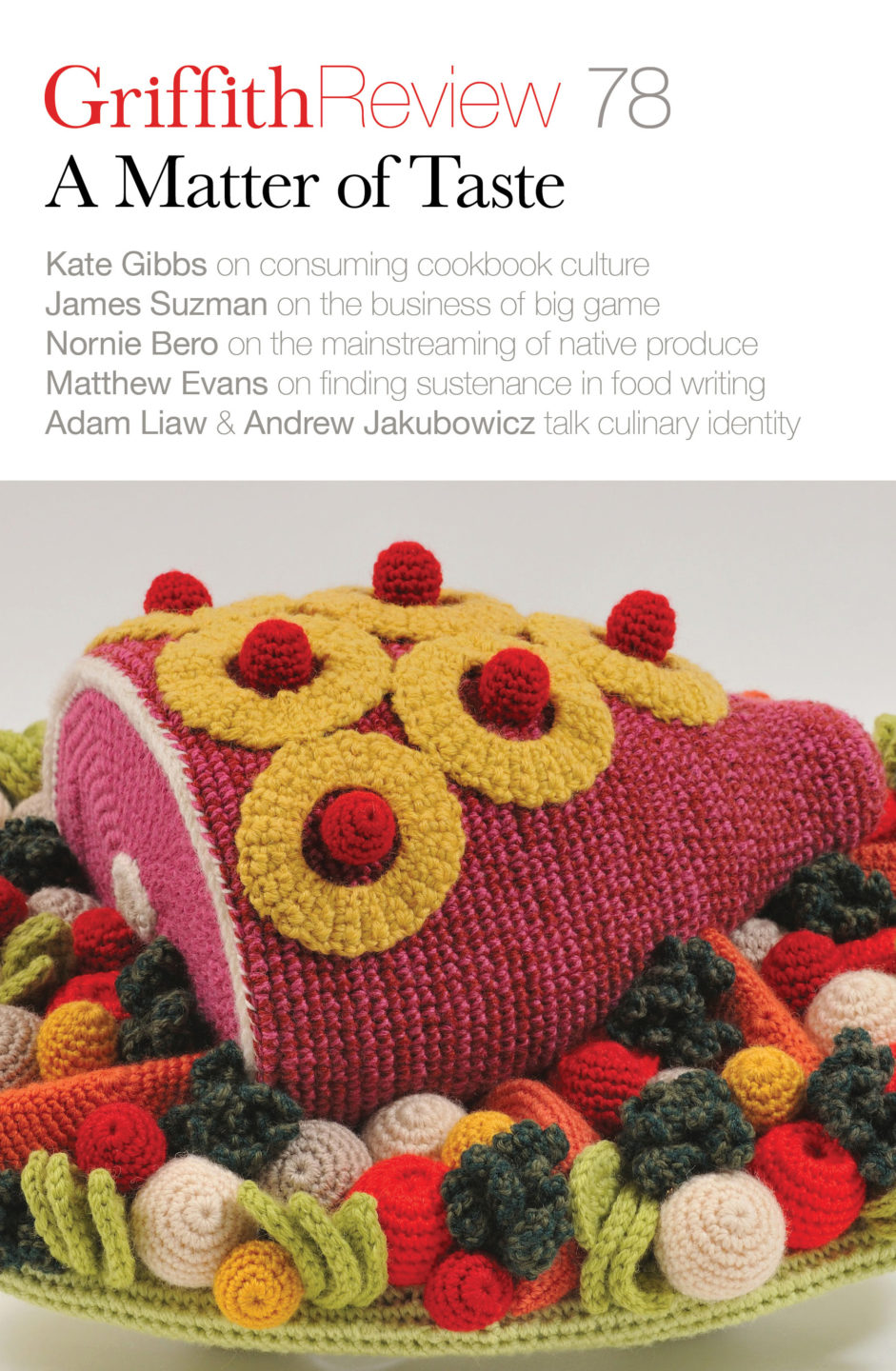
- Published 20221101
- ISBN: 978-1-922212-74-0
- Extent: 264pp
- Paperback (234 x 153mm), eBook

Already a subscriber? Sign in here
If you are an educator or student wishing to access content for study purposes please contact us at griffithreview@griffith.edu.au
Share article
More from author
Killing the poets
GR OnlineWhen asked in an interview what he feared most during this war, Palestinian writer Khalil Abu Yahia responded, ‘I fear that I will die without achieving my dreams. I want to complete my PhD. I want to rebuild my family’s house… And [my] biggest dream – to meet my [international] friends in person, to shake hands, to hug them. It sounds very simple, but colonialism disconnects people from the rest of the world.’
More from this edition

Witches’ brew
EssayAnthropologist Solomon Katz proposed in the 1980s the intriguing ‘beer before bread’ theory, which suggested that early agriculturalists were driven to farming not by their wholesome desire for crusty loaves but by their lust for that other staple grain product: beer.
Body of work
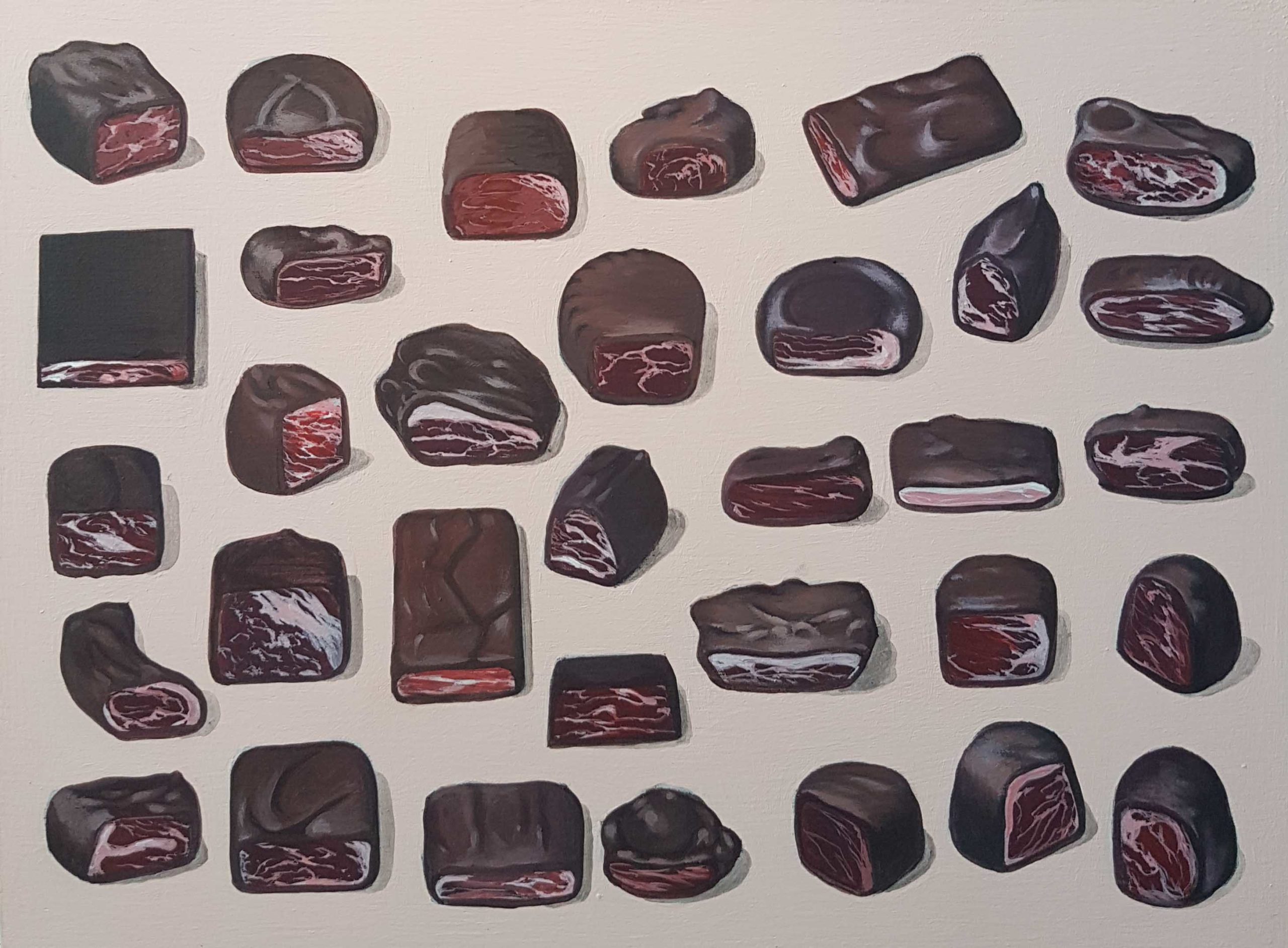
In ConversationThe ’50s were a time of tremendous optimism and energy, yet they also had a dark underbelly. It was a time when women’s roles were diminished – they were often expected to stay home and be housewives. In the US, African Americans were living under segregation, particularly in the south, which caused significant racial tension. There will always be negative and dark aspects whenever human nature is involved. My paintings straddle a fine line between humour and horror.

Languages
Poetrythe sky keeps no secret but a rainbow
