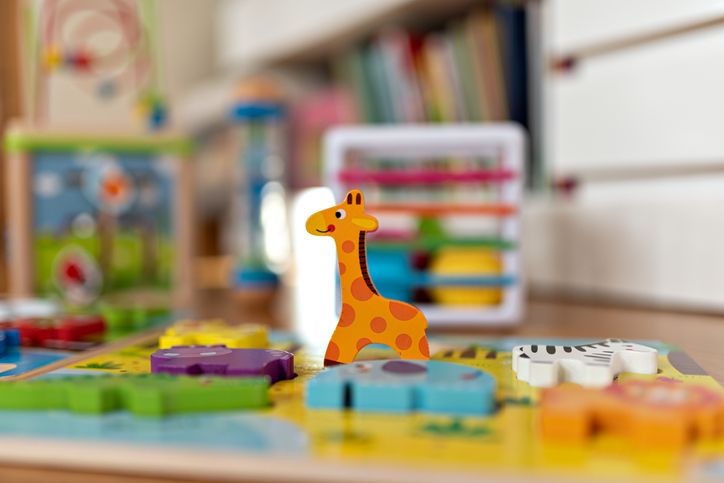
Holding the baby

Australia’s early childhood divide

Featured in

  • Published 20220127
  • ISBN: 978-1-92221-65-8
  • Extent: 264pp
  • Paperback (234 x 153mm), eBook

I JUST TURNED thirty. The average age for an Australian woman to have her first child is 30.8, and Australian politicians – of various parties and ideologies – want me to have mine. Fertility rates are dwindling in Australia, and me having a baby would be great for ‘the economy’. Before the pandemic, Australia’s birth rate was about 1.66 births per woman, and the half-joking ‘lockdown baby boom’ some commentators predicted failed to eventuate. Apparently being stuck indoors with your significant other and nothing else to do…won’t actually convince you to get pregnant in the face of a catastrophic global pandemic. The number of babies born over twelve months in 2020–21 decreased by more than 2 per cent – the lowest number of births in over a decade and the biggest annual drop in twenty-four years.

Where I live, what I earn and my level of education: these will all influence not only my decision to have a baby but the experiences that baby will then have. These four factors – education, geography, wealth and birth rate – loop around one another in infinite iterations. People in regional and remote Australia have more children younger; they also have lower levels of educational attainment. When women get educated and become financially comfortable, they have fewer children and have them later.

Already a subscriber? Sign in here

If you are an educator or student wishing to access content for study purposes please contact us at griffithreview@griffith.edu.au

Share article

More from author

What ripples beneath

MemoirJEREMY B PULLMAN was a tall, slim man with pale grey eyes and a number-three buzz cut along the sides of his skull. The...

More from this edition
Dramatics

Fiction ANNIE DOESN’T RECOGNISE the old teacher at first glance, not consciously. She only registers a vague sense of disorientation that seems carried in by...

Why do you want to make things?

GR OnlineGraffiti artists are known to feel more certain about their identity after creating work; they become more receptive to other perspectives, activities and opportunities. They’re not as worried that these other behaviours will obscure their identity – an identity that is now stable and enduring
Prismatic perspectives

IntroductionClick here to listen to Editor Ashley Hay read her introduction ‘Prismatic perspectives’. IN 1816, DAVID Brewster, a Scottish mathematician and physicist, invented a new kind of optical device....

Stay up to date with the latest, news, articles and special offers from Griffith Review.