
Featured in
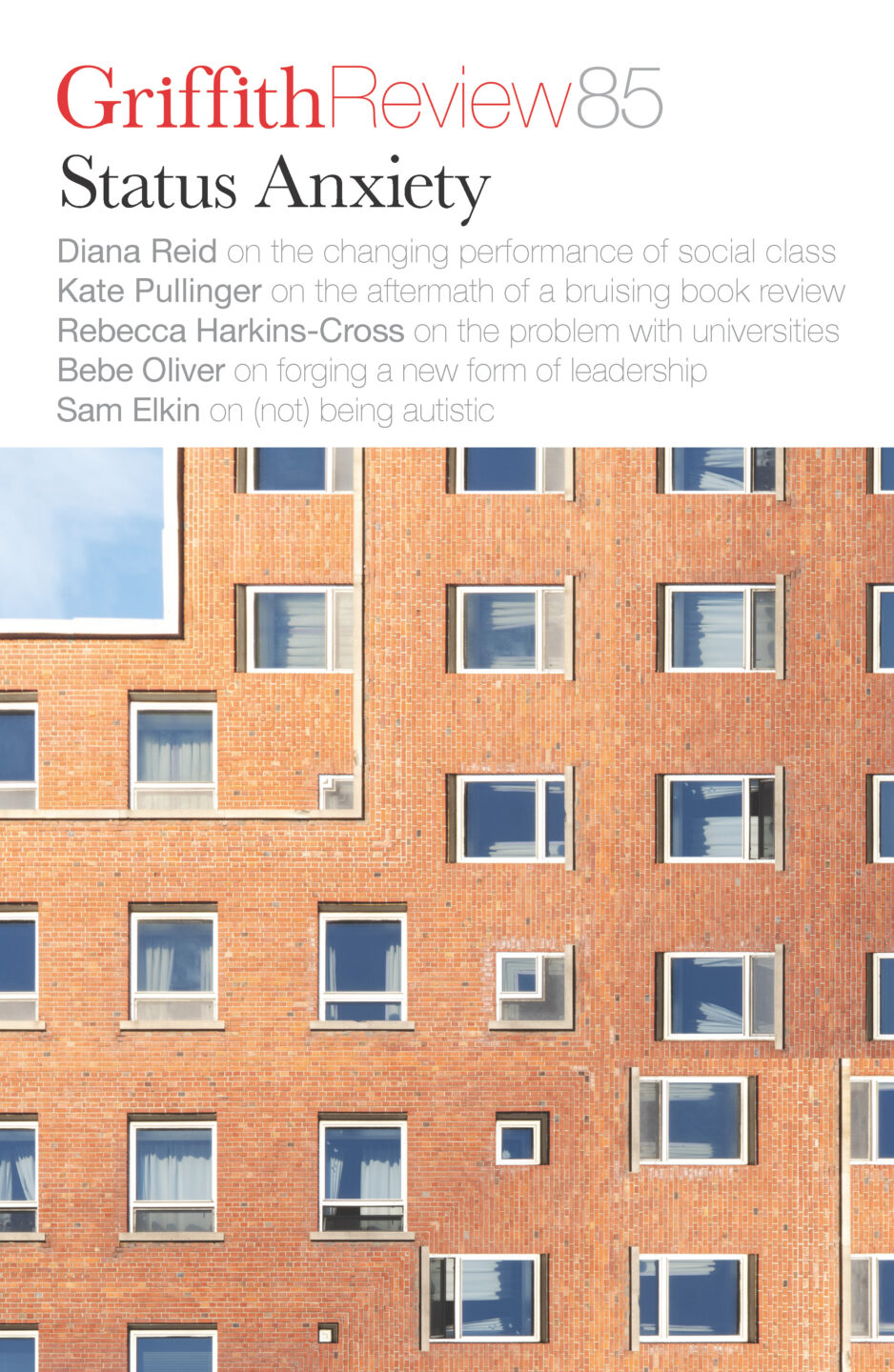
- Published 20240806
- ISBN: 978-1-922212-98-6
- Extent: 216pp
- Paperback, ePUB, PDF
Already a subscriber? Sign in here
If you are an educator or student wishing to access content for study purposes please contact us at griffithreview@griffith.edu.au
Share article
More from author
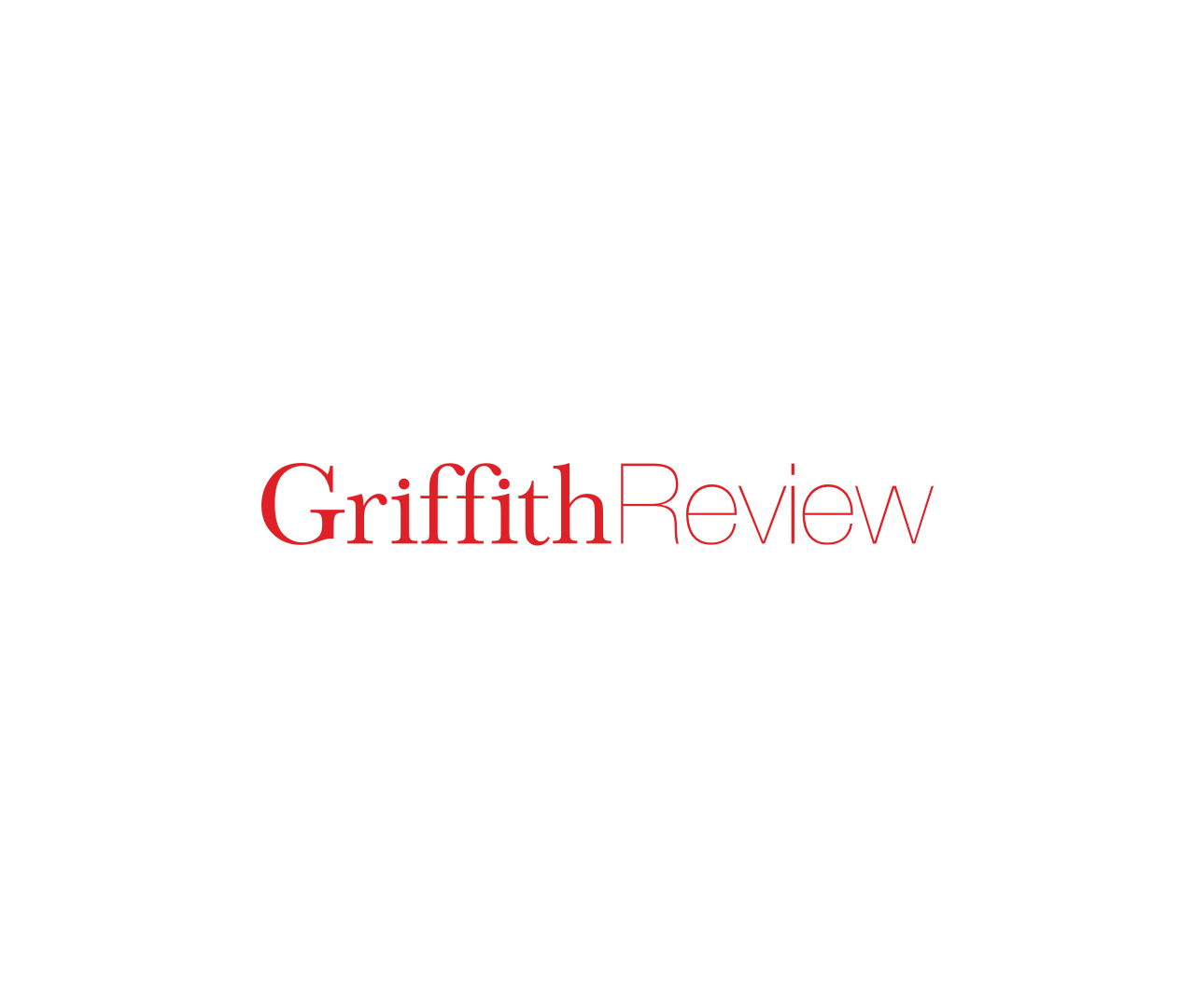
Un-Australian
GR OnlineTHURSDAY, 26 JANUARY 2017 is a grey, overcast day in Sydney. Along the harbour front thousands of people gather, stretching out picnic blankets and...
More from this edition
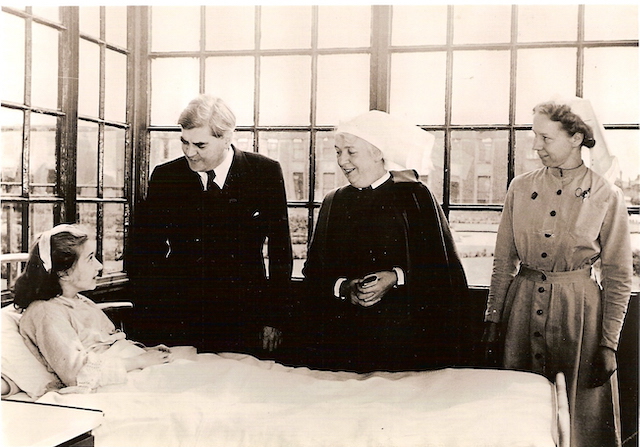
Healthcare is other people
Non-fiction IN 1977 A gastroenterologist named Franz Ingelfinger had cancer, a cancer that originated in his gastroenteric tract. He was perhaps the most informed patient...

When adults are at risk
Non-fictionOne significant subset of our modern adult-safeguarding environment is elder abuse, which we know is a significant and under-reported problem. In 2021 the Australian Institute of Family Studies released the results from the first-ever broad survey of elder-abuse prevalence in Australia. This showed that 14.8 per cent of adults aged sixty-five and over had suffered abuse in the previous twelve months. Importantly, only a little more than one third of people who experienced abuse sought help.

Class acts
Non-fictionSocial media has made available to us whole new audiences and vectors for class and lifestyle performance. Where previously your political commitments or what books you were reading might have been topics of conversation with close friends at the pub, now they can be projected to hundreds or thousands of followers. Eating at a restaurant is another example; a previously private and intimately social act can now be a place to be seen, not by the people you’re dining with, or even the other patrons, but by everybody who follows you.
