
Featured in
- Published 20240806
- ISBN: 978-1-922212-98-6
- Extent: 216pp
- Paperback, ePUB, PDF

Already a subscriber? Sign in here
If you are an educator or student wishing to access content for study purposes please contact us at griffithreview@griffith.edu.au
Share article
More from author
All the things I should’ve given
FictionONE OF THE nice things about having a baby was how the old Italian lady next door changed. ‘It’s weird,’ Abbey said after they brought...
More from this edition

Lifedorm
FictionThe fourth, fifth, sixth and seventh decades filled me with bitterness. I felt like the big oak tree in the centre of our play garden, stuck in the same place forever. Except even the oak tree’s life was more interesting because when it was small Parent 3 had told us to be careful not to step on it, and now it was this huge thing with ugly tree wrinkles and scars in the trunk from the branches we cut off to build a raft one summer, but I’d hardly grown at all.
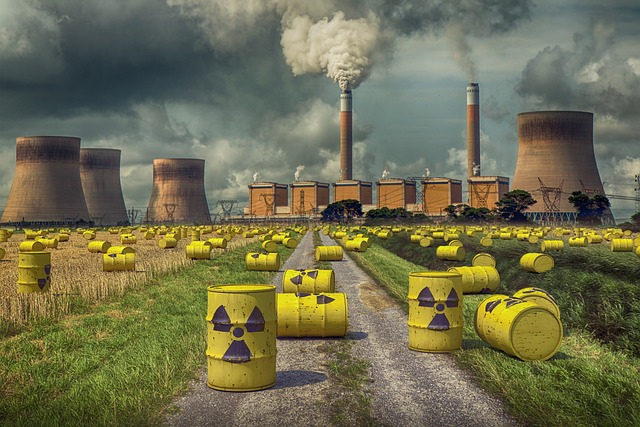
Radioactive fallout
Non-fictionThe quake lasted six minutes – the office floor jolted convulsively; metal shelves rattled, files fell with a cacophony of thuds, and the structure of the building seemed to be squeaking. And then it stopped. My office building hadn’t collapsed. Neither had our apartment; my husband and son weren’t hurt. But it wasn’t the end. The Fukushima Daiichi Nuclear Power Plant had lost power, which was required to cool both the reactors and spent fuel rods. The government was braced for the worst: massive explosions or core meltdowns. A nuclear emergency was declared at 7.03 pm.
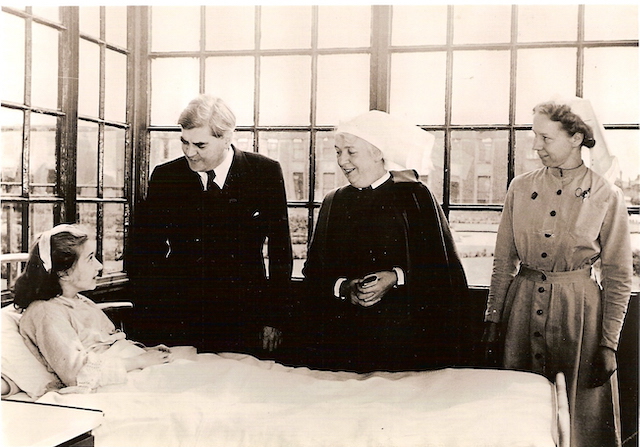
Healthcare is other people
Non-fiction IN 1977 A gastroenterologist named Franz Ingelfinger had cancer, a cancer that originated in his gastroenteric tract. He was perhaps the most informed patient...
