
Featured in
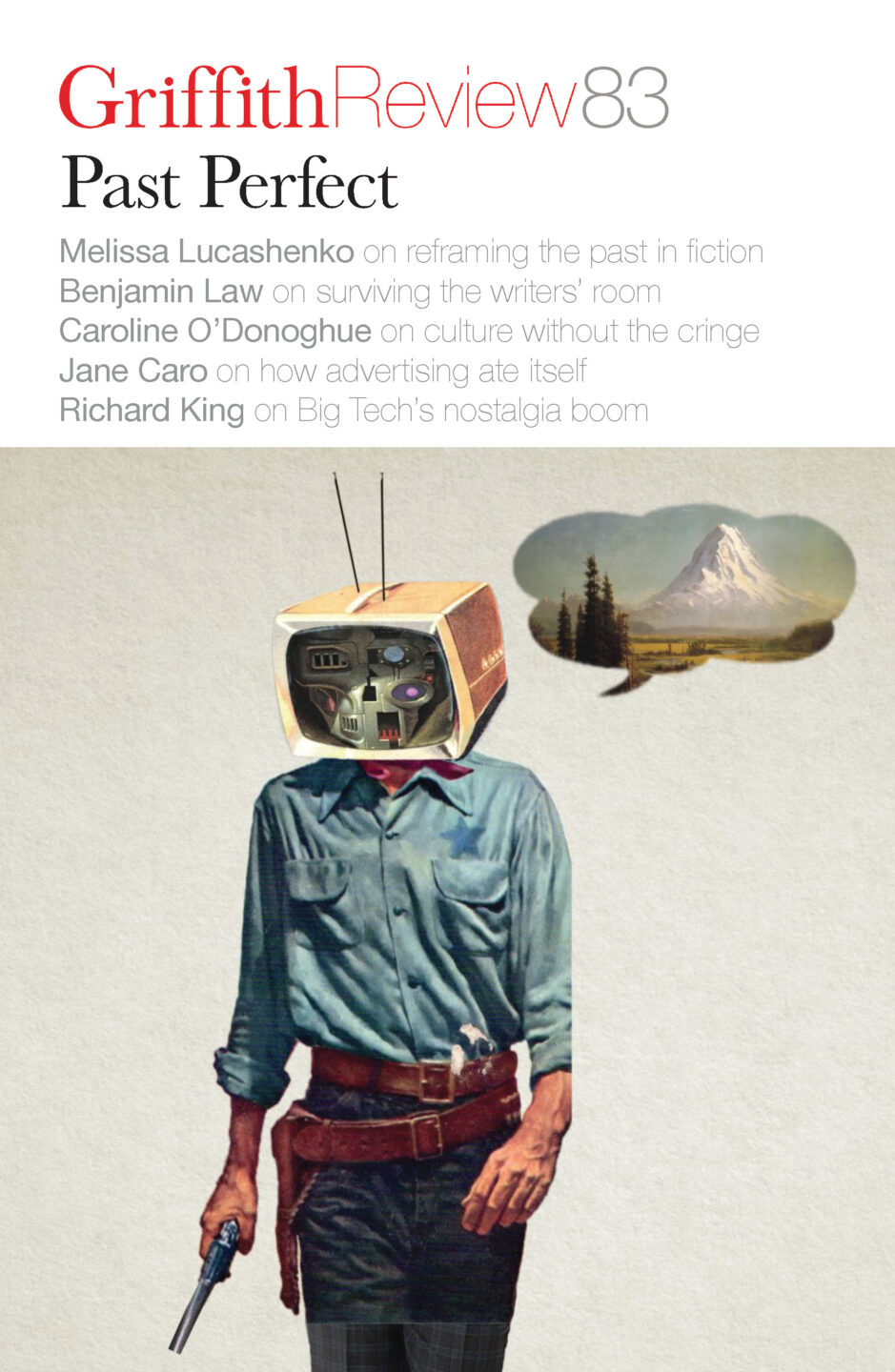
- Published 20240206
- ISBN: 978-1-922212-92-4
- Extent: 204pp
- Paperback, ePub, PDF, Kindle compatible

Already a subscriber? Sign in here
If you are an educator or student wishing to access content for study purposes please contact us at griffithreview@griffith.edu.au
Share article
About the author

Michael L Ondaatje
Michael L Ondaatje is Head of the School of Humanities, Languages and Social Science, and Professor of History, at Griffith University. He is an...
More from this edition

In the Dollhouse
Poetry I don’t remember my Barbies, but Mother once told me I had twist-popped their limbs off. I do recall this one doll – she would wet her nappy if...

The sentimentalist
In ConversationI’ve positioned myself as somebody who’s constantly going through the trash of yesteryear with my raccoon paws and saying, ‘Wasn’t it grand?’ I think it’s more that I’m drawn to things I misunderstood rather than things that are just old, and I’m also interested in diagnosing the culture through what we loved, what we made and what we despised. It’s becoming much more clear to me the older I get.
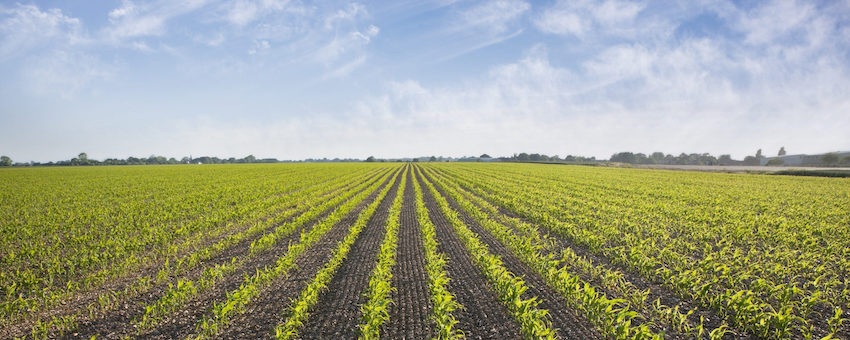
Farming futures
Non-fictionThe tempo of seasonal food production gives Mildura its seductive groove. The race is on to get food to market when prices are high and before it wilts and rots. But this race is only incidentally about food and mainly about finance. When markets fail or supply chains are disrupted, harvests are bitter. Watermelons, zucchinis and lettuces are ploughed back into the ground. Grapes are left hanging on vines, sitting in coolrooms and rotting in shipping containers grounded at ports.
