
Featured in
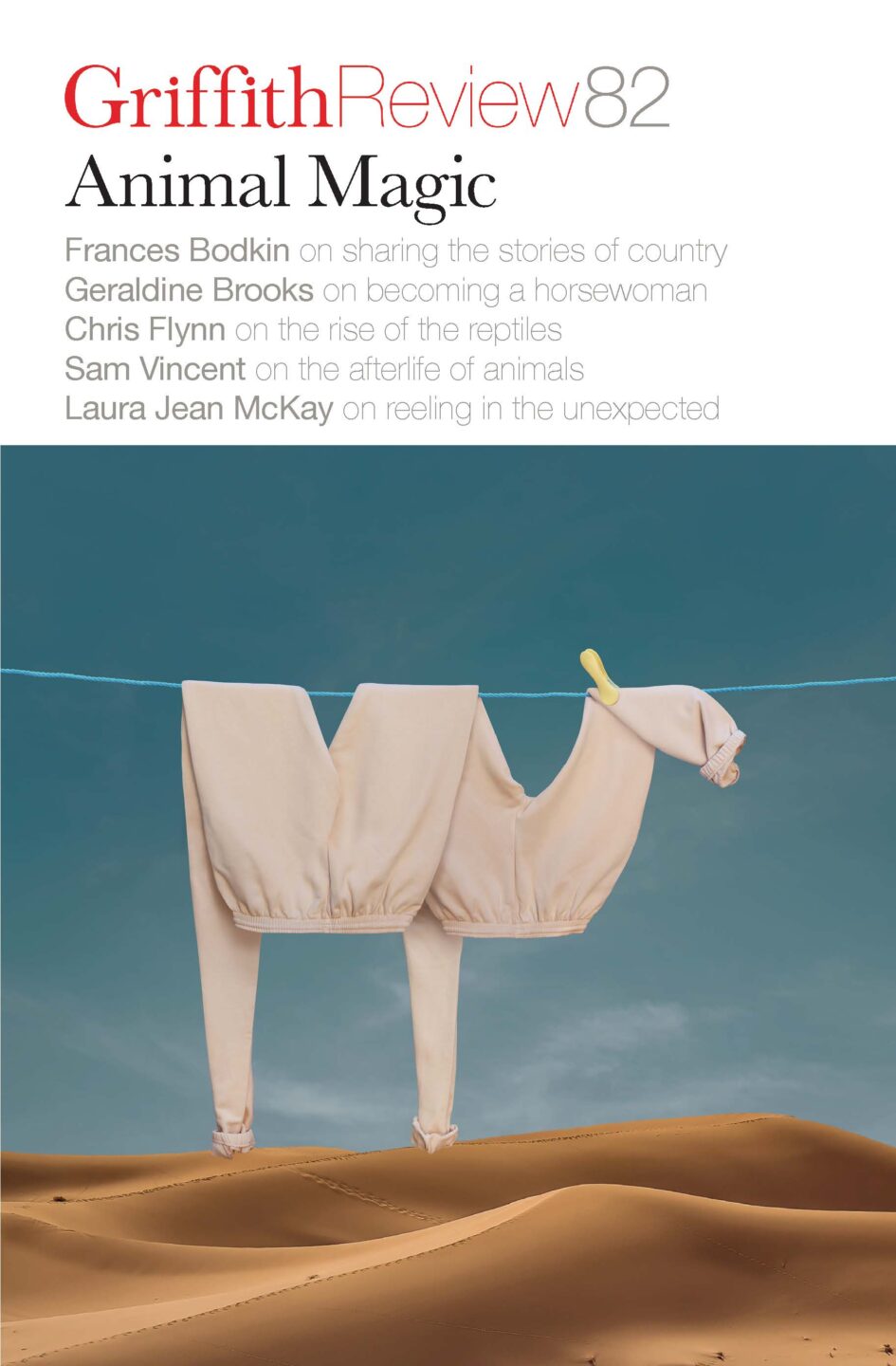
- Published 20231107
- ISBN: 978-1-922212-89-4
- Extent: 208pp
- Paperback, ePub, PDF, Kindle compatible

Already a subscriber? Sign in here
If you are an educator or student wishing to access content for study purposes please contact us at griffithreview@griffith.edu.au
Share article
About the author
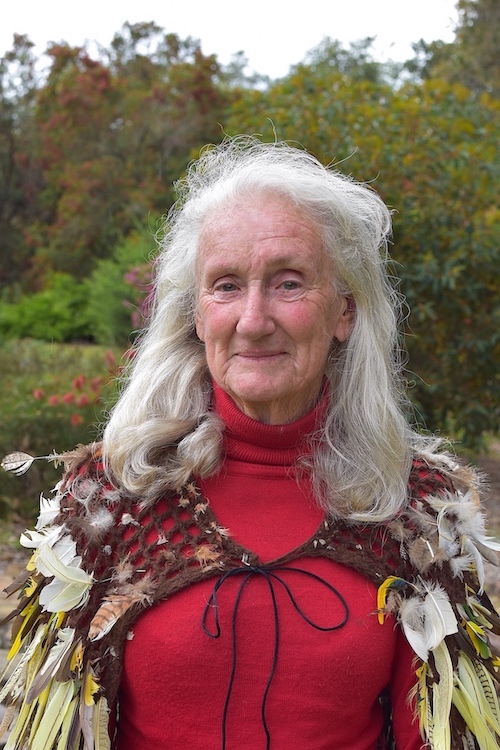
Frances Bodkin
Frances Bodkin is an Australian botanist and D’harawal elder. She is the author of Encyclopaedia Botanica: The Essential Reference Guide to Native and Exotic...
More from this edition

Easy rider
In ConversationMy first bull-riding job was a portrait of a young rider named Ian ‘Irish’ Molan from Cork, Ireland, for the upcoming event in Darwin that weekend. I attended the event that weekend and photographed behind the scenes and focused on Ian Molan in action. When it was the Irishman’s turn, he was thrown off the bull, who stomped on the rider’s chest repeatedly. I thought Ian was going to die. The bull was relentless.
Mother of pearls
FictionBut we are more animal now than we’ve ever been. We read the water that leaps into our pools; we filter all kingdoms of life through our gills. We understand that the tendrils connecting one life form to another run much longer and deeper than you might expect. And we can entertain the notion that our strange tasks were like the fateful beats of a butterfly’s wings, and maybe the witch was a rare genius, able to perceive how the purloined dog, the pawned bird or the swapped cats would, in the mysterious rippling of the universe, lead to our deepest desires coming to pass.
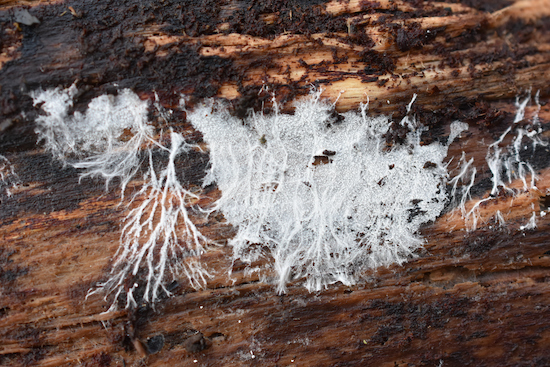
The animal in the walls
Non-fictionScrambling the scientific assumptions of the time, fungi and fungi-like organisms also gained new cultural and symbolic meanings. They began to sprout in the claustrophobic houses of gothic fiction and the swamps of horror; in the centre of the Earth and on the distant moons of science fiction; in utopian tracts, revolutionary and anti-revolutionary literature; and in the parasitic infections of the post-apocalyptic.
