
Featured in
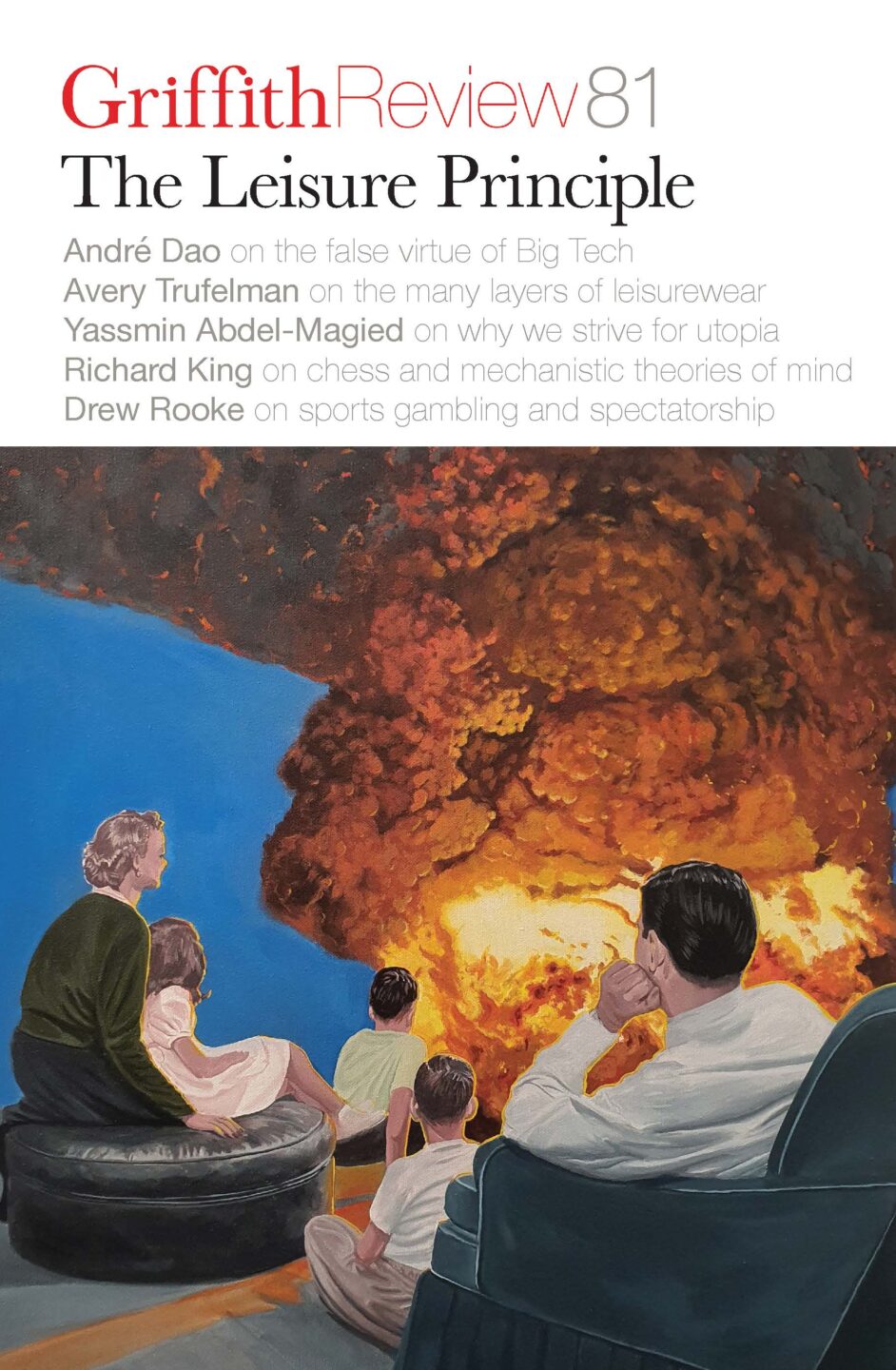
- Published 20230801
- ISBN: 978-1-922212-86-3
- Extent: 200pp
- Paperback (234 x 153mm), eBook

Already a subscriber? Sign in here
If you are an educator or student wishing to access content for study purposes please contact us at griffithreview@griffith.edu.au
Share article
About the author

Jenni Mazaraki
Jenni Mazaraki is a writer living on Wurundjeri land (Melbourne). Her work has been published in the Australian Poetry Journal, The Suburban Review and...
More from this edition
Stories from the city
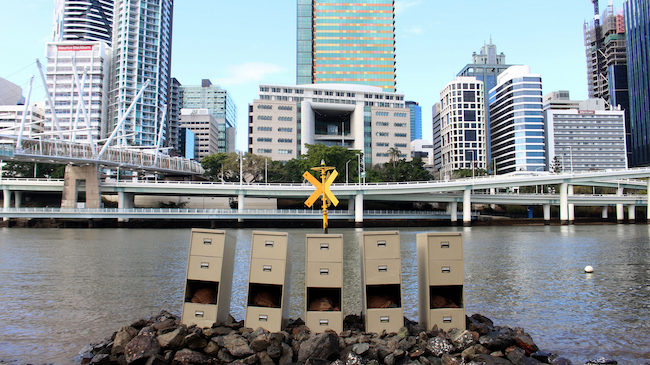
In ConversationPublic art in particular is a great way for Aboriginal and Torres Strait Islander people to tell different histories and narratives that are site specific. There are lots of hidden histories that we know as community but that lots of other people don’t, and so we use these public spaces as opportunities to install different types of artwork to allow people to engage with these histories and stories during their everyday commute...
Sonnet for the weekend
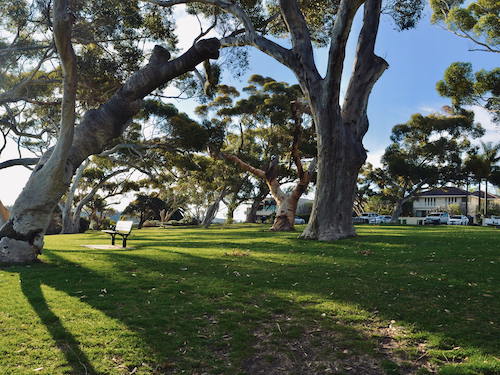
Poetry Glory to God for long weekends,for lattes served by obsequious baristas,sunnied eggs and bacon with the crispy ends,for an empty park in front of...
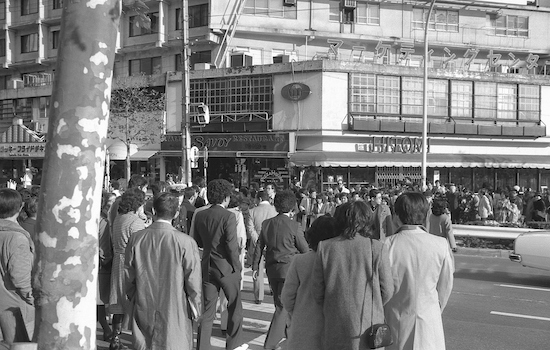
The rise and decline of the shopping mall
FictionPerhaps it is instructive to consider how archaeologists of the future may conceive malls. How might they seem, these empty labyrinths – like rituals that had to be endured in order to receive goods and services? As great monoliths, colosseums constructed for our entertainment? As places of worship? Or perhaps malls will seem more like pyramids do to us: mysteries to be unravelled when the tracks of global trade and communication have faded...
