
Featured in
- Published 20230502
- ISBN: 978-1-922212-83-2
- Extent: 264pp
- Paperback (234 x 153mm), eBook

Already a subscriber? Sign in here
If you are an educator or student wishing to access content for study purposes please contact us at griffithreview@griffith.edu.au
Share article
About the author
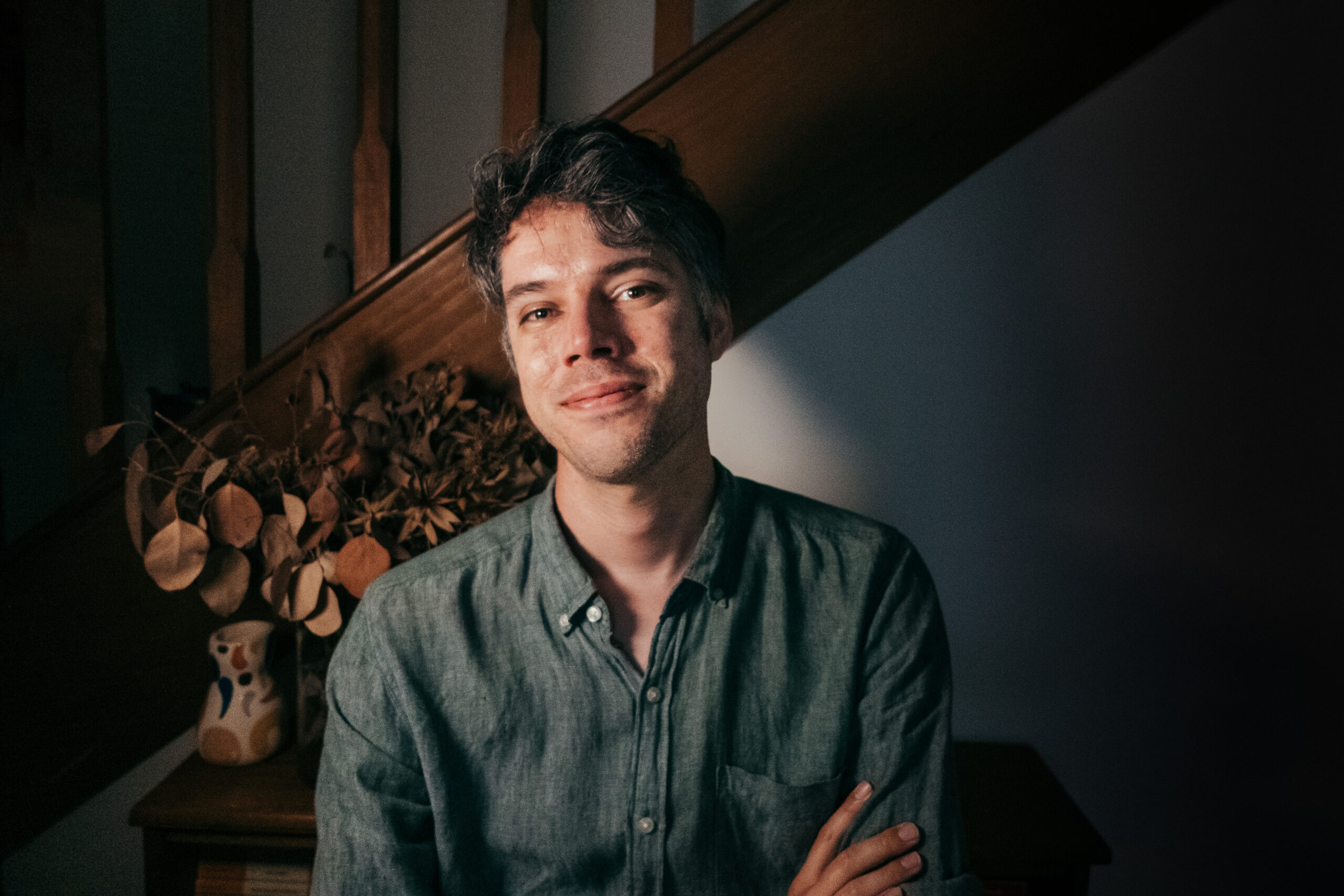
Connor Tomas O’Brien
Connor Tomas O’Brien teaches in the Professional Writing and Editing program at RMIT University and runs a design studio for environmental organisations and non-profits.
More from this edition

On undoing
Non-fictionI am forty before I visit Europe, still ignorant that a century before me my great-grandfather had walked those same cobblestones. That he had fought in a war that did not reward him with any meaningful welcome on his return home. Now that I know, I yearn to go back and breathe that air, knowing that William was there.

A Little Box
PoetryAnd didn’t I grant you six identical faces, each perfectly plain as the other and a sturdy mouth to clasp shut?

To sing, to say
Non-fictionHow poetry works – its oracular way, its indirection – is how land works, he saw. Land as a teacher, as an embodiment not only of its own intergrity but of human aspirations and virtues like hope and beauty; land as an educator of the senses; land as a measure against which to prove and compare one’s own and others’ lives, as a theatre for the divine comedy of all human life; land as an elder, as a god, as a library...
