To sing, to say

A lyric ethics for coming into country

Featured in

  • Published 20230502
  • ISBN: 978-1-922212-83-2
  • Extent: 264pp
  • Paperback (234 x 153mm), eBook

I AM A poet and an essayist, a teacher of writing and a father of five children, who visit like rare birds these days, and I live with my partner and two spaniels and a cat along the Wingecarribee River (one of its many much debated spellings) on Gundungurra land, country never ceded, 125 kilometres south-west of what is now mostly called Sydney, which sits on the stolen ground of the Gadigal. I am, as far as I know, a non-­Indigenous Australian man, a fifth-­generation descendant of Cornish and German immigrants. They settled land that was not theirs to settle, though that’s not what they were told; I live on land to which nothing but love gives me any kind of title, and I own none of it. Who can afford to own it anyway these days, even if one felt one had the right?

I write and talk constantly about place and places. My doctoral work considered the nature of nature writing; my book The Blue Plateau, which my publishers have recently let fall out of print in Australia (though it is still in print in the US),is an instance of that genre, a landscape memoir of the dissected sandstone plateau country around Katoomba. Across the five collections of poetry I’ve published to date – Fire Diary, Bluewren Cantos, A Gathered Distance, Walking Underwater, A Beginner’s Guide – there is barely a poem in which a fire has not wanted to start, a bird to fly, or a river to run. Land is an article of my lyric faith. 

Already a subscriber? Sign in here

If you are an educator or student wishing to access content for study purposes please contact us at griffithreview@griffith.edu.au

Share article

About the author
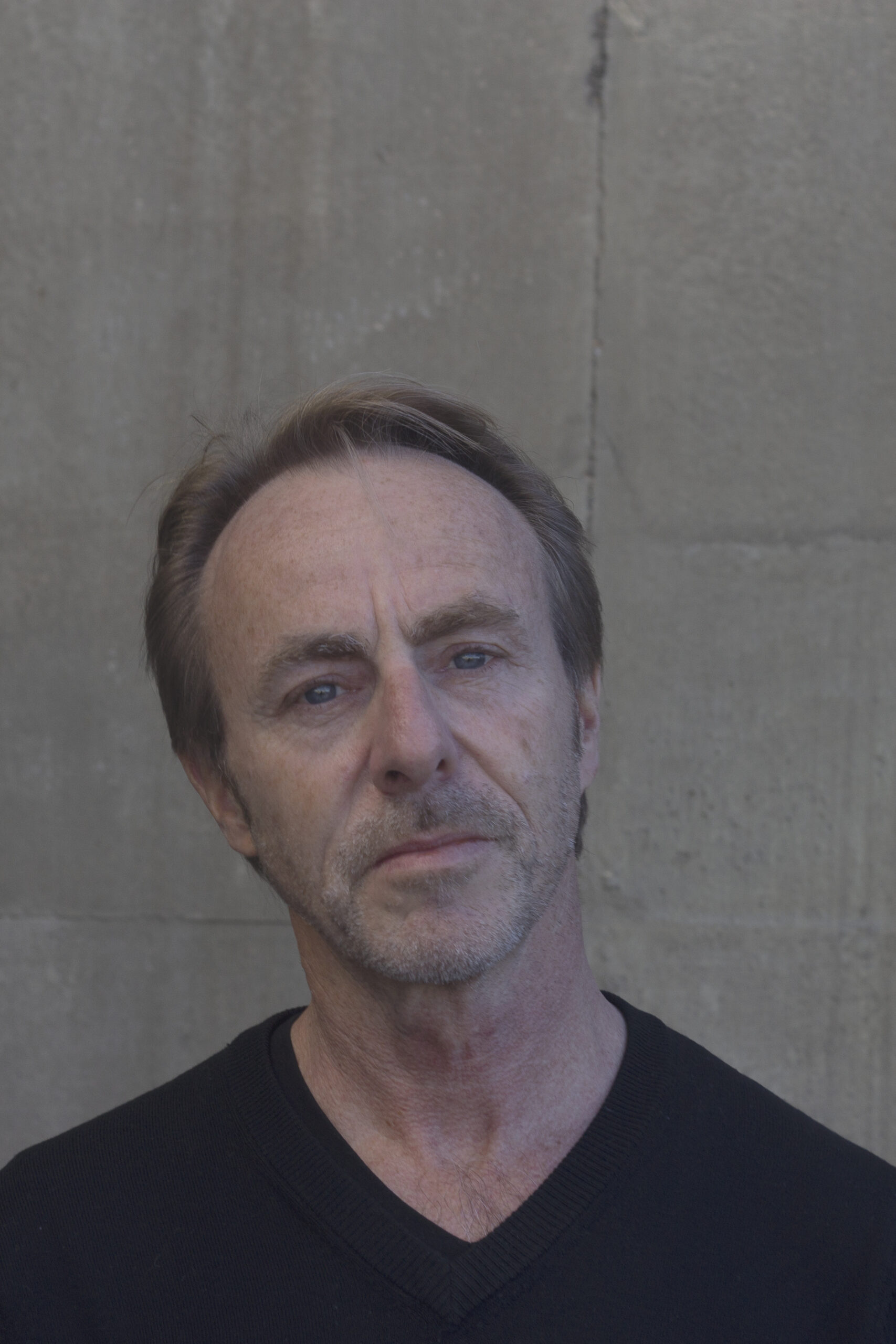
Mark Tredinnick

Mark Tredinnick OAM is an award-­winning poet, essayist and teacher of writing. He is the author of eighteen books of poetry and prose, and...

More from this edition

Fitzroy River flood. Indigenous storytelling and climate change

A Martuwarra Serpent stirs in its sleep…

Non-fictionAboriginal people are usually confident in the enduring nature of knowledge (not just belief) because that other mob down the road has the same story, or a similar one. It is a multispecies and layered story, and that is precisely what makes it creative, unlike so much of continuing Western materialist ideas and practices.

See through a glass darkly 

Non-fictionOn the way home that night we pass Oxford Street. It’s lit up and people are dancing in the windows of the clubs. There’s a rainbow flag on one of the buildings. Dad turns to look at this with a grimace: he shakes his head and sucks his teeth. He turns the volume up on the CD player and focuses on the road ahead. 

On undoing

Non-fictionI am forty before I visit Europe, still ignorant that a century before me my great-grandfather had walked those same cobblestones. That he had fought in a war that did not reward him with any meaningful welcome on his return home. Now that I know, I yearn to go back and breathe that air, knowing that William was there.

Stay up to date with the latest, news, articles and special offers from Griffith Review.