
The age of discovery
Unearthing humanity’s origin story
Featured in
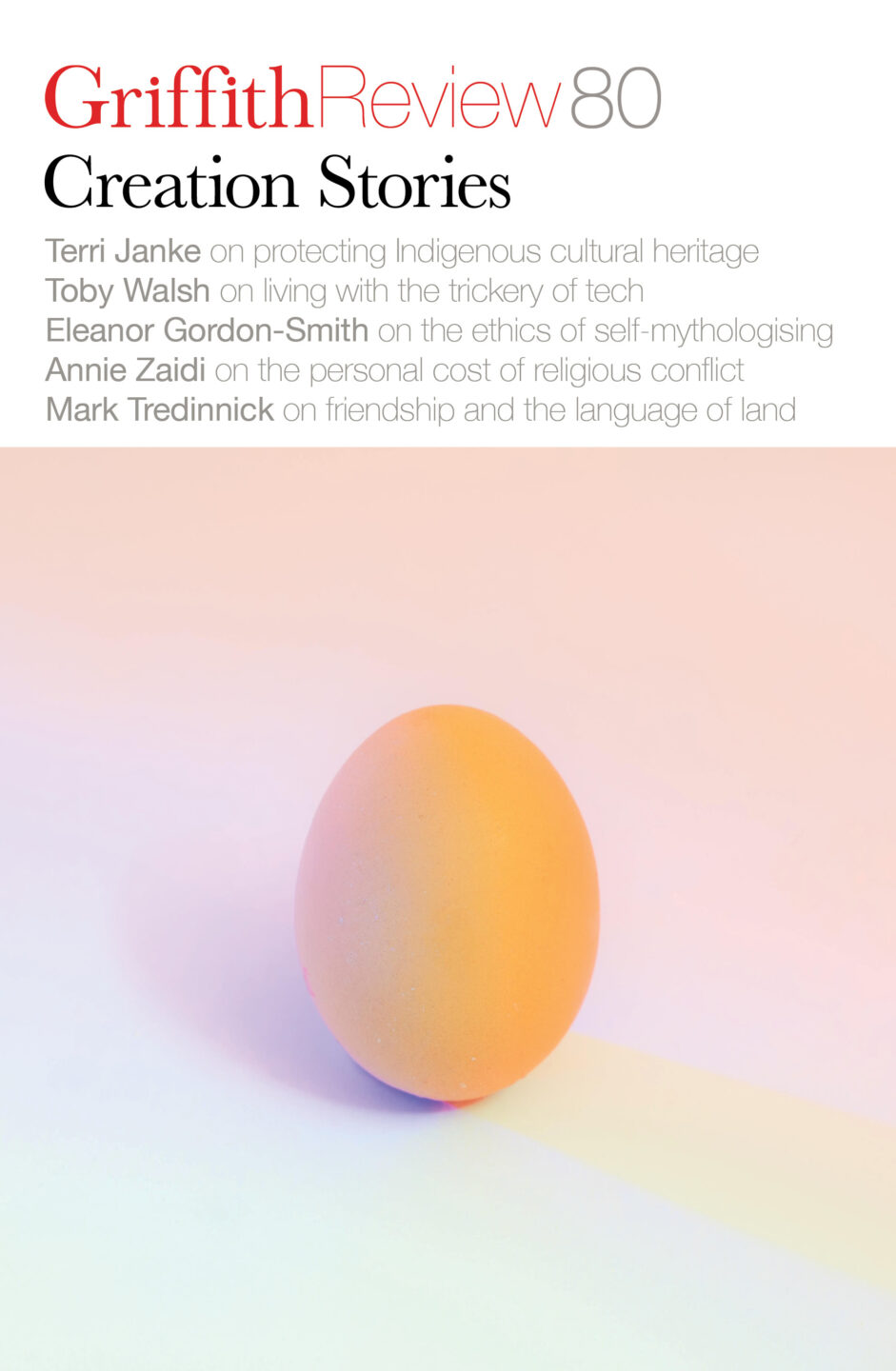
- Published 20230502
- ISBN: 978-1-922212-83-2
- Extent: 264pp
- Paperback (234 x 153mm), eBook

Already a subscriber? Sign in here
If you are an educator or student wishing to access content for study purposes please contact us at griffithreview@griffith.edu.au
Share article
About the author
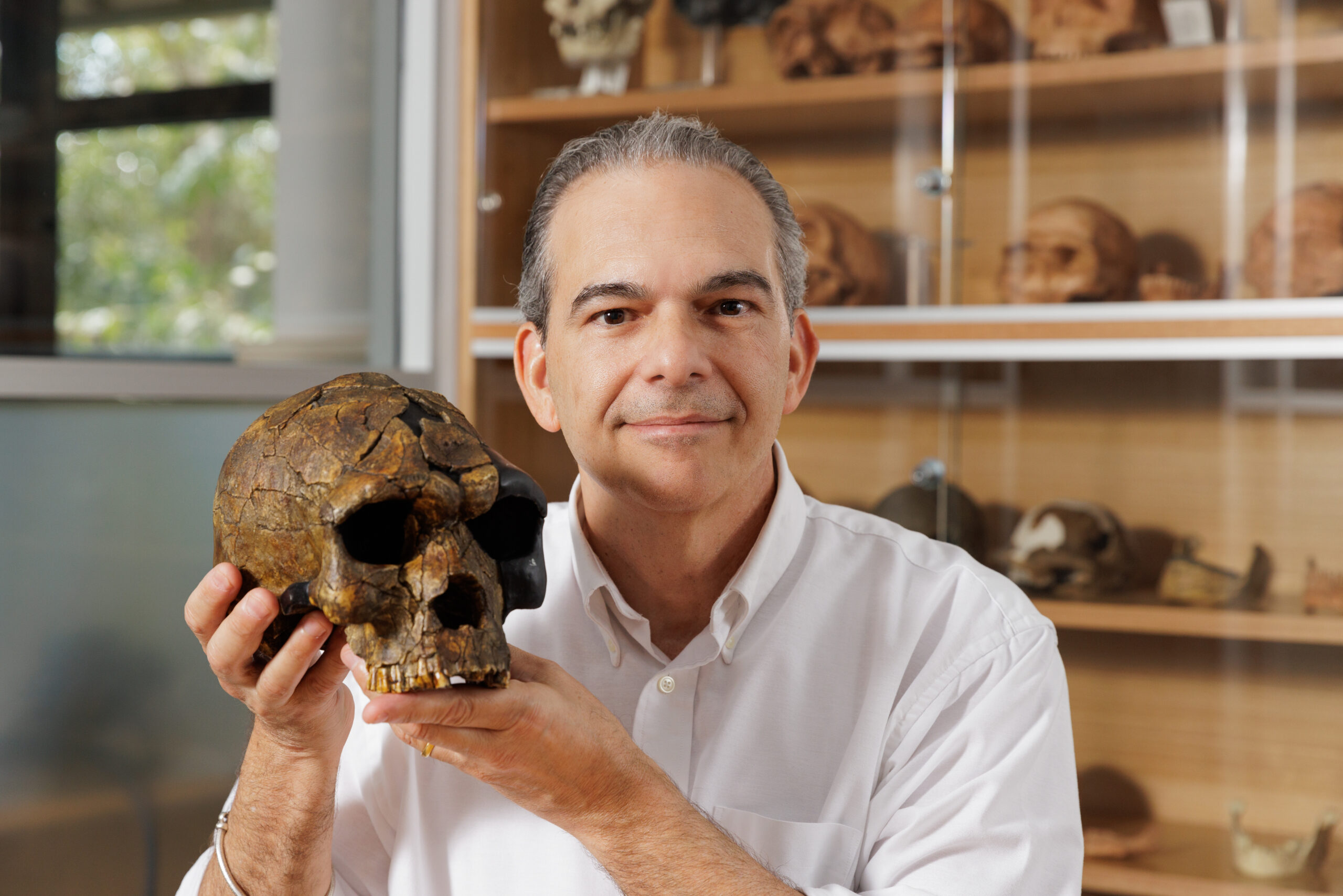
Michael Petraglia
Michael Petraglia is Director of theAustralian Research Centre for Human Evolution at Griffith University. From 2001 to 2016 he taught at the universities of...
More from this edition

Once upon a self
Non-fictionFor Plato, most notably, drama and poetry were to be regarded with intense moral and political suspicion: they made malevolent characters intelligible to their audiences; they use up our real moral sentiments by arousing them for fictional characters; and by depicting certain traits and tropes they risked seducing audiences into acting them out themselves.
A Little Box
PoetryAnd didn’t I grant you six identical faces, each perfectly plain as the other and a sturdy mouth to clasp shut?
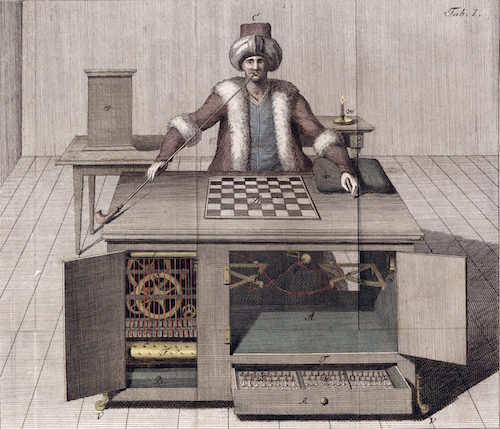
The emperor’s new opponent
Non-fictionAsk many of my colleagues to define AI and they will tell you…that it’s about getting computers to do tasks that humans require intelligence to perform. Or, to put it another way, it’s about faking human performance on intelligent tasks.
