
Featured in
- Published 20230502
- ISBN: 978-1-922212-83-2
- Extent: 264pp
- Paperback (234 x 153mm), eBook
Already a subscriber? Sign in here
If you are an educator or student wishing to access content for study purposes please contact us at griffithreview@griffith.edu.au
Share article
About the author
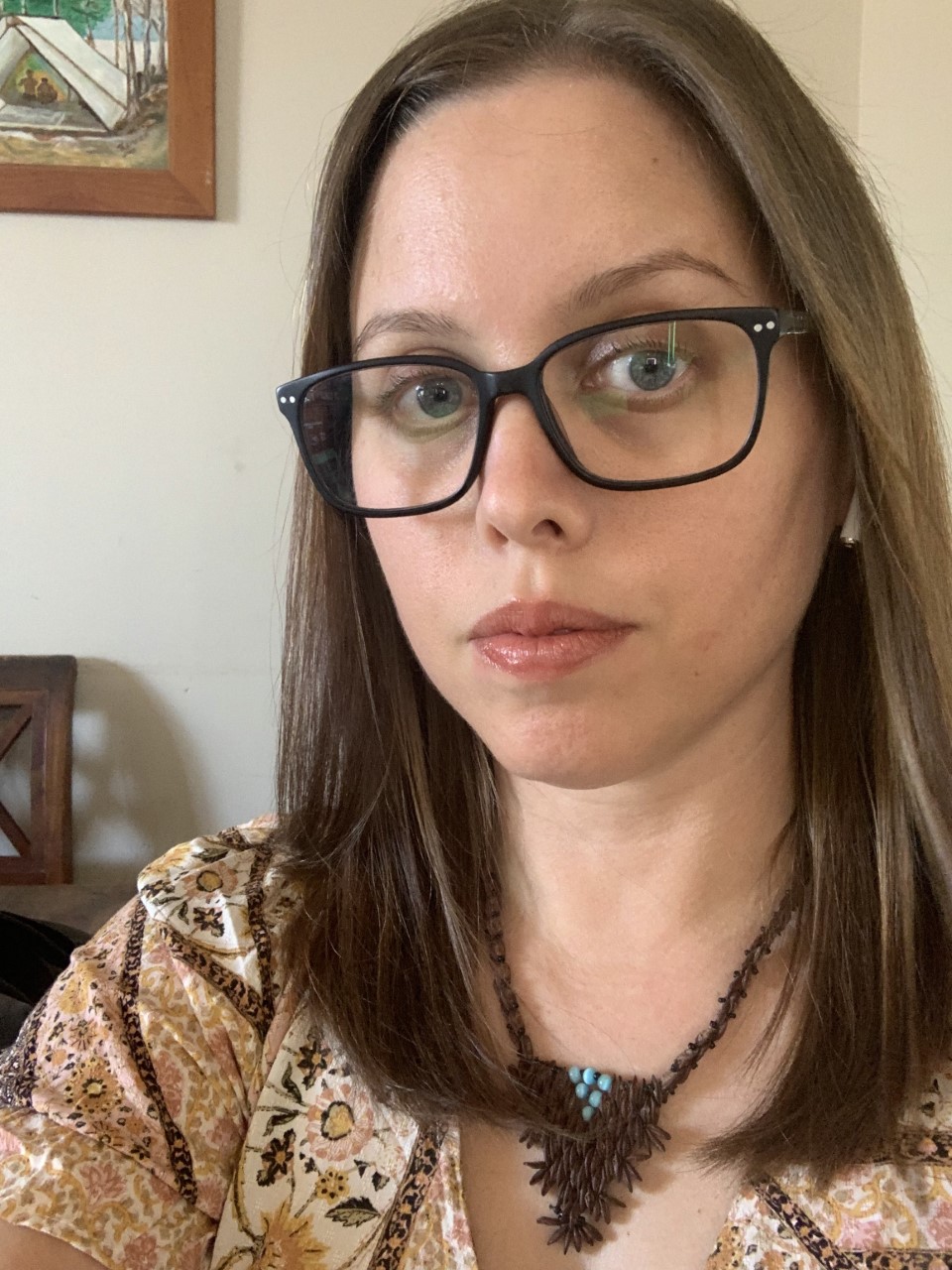
Natalia Figueroa Barroso
Natalia Figueroa Barroso is a Uruguayan-Australian writer of Charrúa, African and Iberian origins who was raised between the unceded lands of Charrúa Nation and...
More from this edition

See through a glass darkly
Non-fictionOn the way home that night we pass Oxford Street. It’s lit up and people are dancing in the windows of the clubs. There’s a rainbow flag on one of the buildings. Dad turns to look at this with a grimace: he shakes his head and sucks his teeth. He turns the volume up on the CD player and focuses on the road ahead.

A Little Box
PoetryAnd didn’t I grant you six identical faces, each perfectly plain as the other and a sturdy mouth to clasp shut?
Rare
PoetryThere are many ways to carry a story. My father smothered his stories with bravado. Here he is, laughing at the sea drenching him on the deck.
